Gardner Painter Providing Reliable Wall Painting and Home Improvement Services
Gardner Painter Providing Reliable Wall Painting and Home Improvement Services
Blog Article
Revamp Your Area Using Professional Painting Solutions
Renovating a space can be as simple as a fresh coat of paint. Professional painting services provide expertise that goes beyond mere aesthetics. Skilled painters understand the intricacies of choosing colors and surface preparation. Their work can improve both the inside and outside of a home, bringing value and allure. However, comprehending the full scope of this transformative process is necessary for homeowners. What points should be taken before starting on such a assignment?
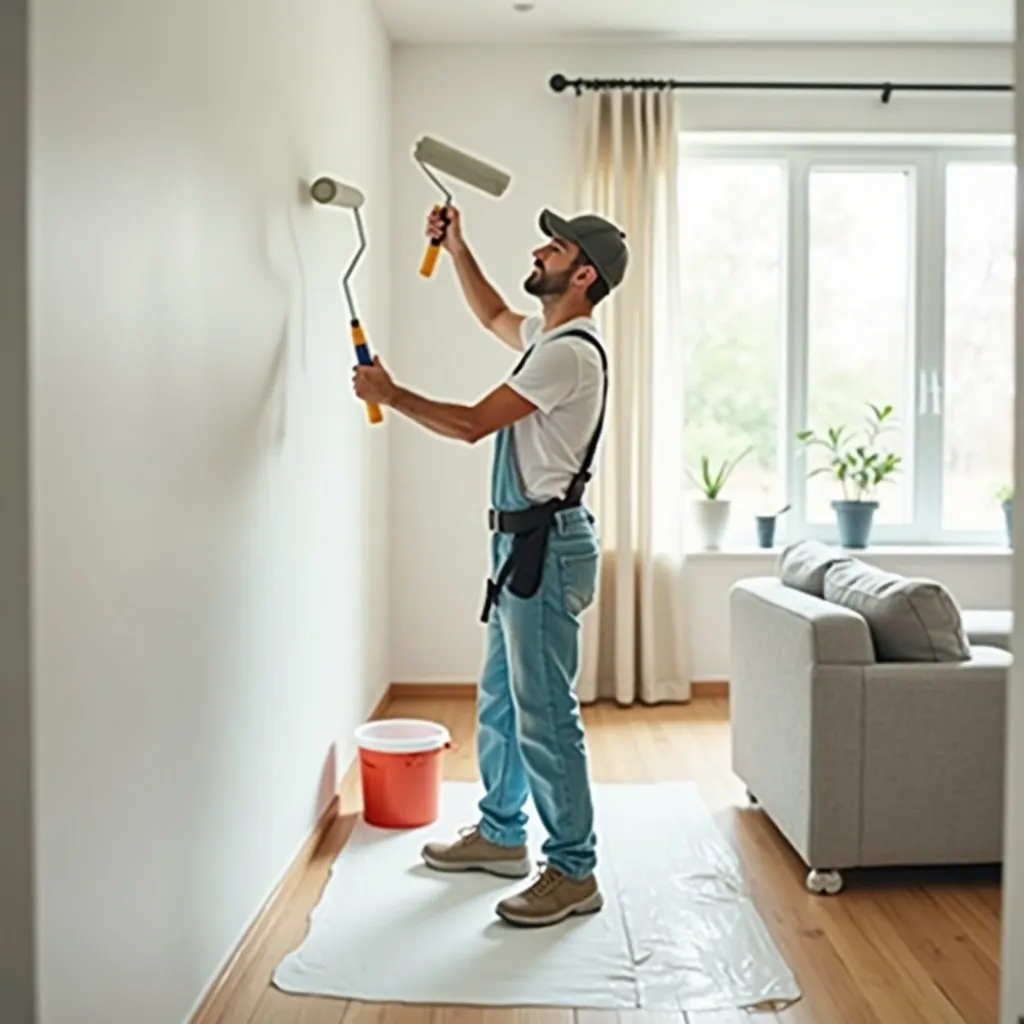
The Powerful Potential of Qualified Painting
Professional decorative painting can redefine a space, breathing fresh life into lackluster interiors and exteriors. By using contemporary colors and finishes, it can substantially modify perceptions and elevate the overall environment. A finely executed paint job reinvigorates not only walls but also the atmosphere of a room or building, making it feel more inviting and synchronized.
Distinct colors evoke various feelings; for instance, delicate blues may establish tranquility, while intense reds can motivate energy. The choice of surface—matte, satin, or glossy—also serves an essential role in how light interacts with surfaces, further affecting the atmosphere.
Beyond visual appeal, professional painting provides protection to surfaces from wear and tear, contributing lasting strength to both indoor and outdoor settings. It provides a practical solution to update environments without undertaking major renovations. Ultimately, the transformative power of professional painting lies in its ability to improve both visual appeal and functionality.
Why You Ought to Engage Qualified Painters
Engaging experienced painting professionals provides a abundance of expertise in color selection, guaranteeing that the selected colors enhance the overall aesthetic of a room. Their expertise also ensures efficient and prompt completion of the project, minimizing interference to the homeowner's routine. These experts both enhance the look of a space but also optimize the painting process.
Mastery In Color Curation
In what ways can the ideal color transform a room? Skilled painters have a extensive understanding of color psychology and how it affects mood and perception. They can support homeowners during the selection process, ensuring the shades chosen complement the space's architecture and lighting. Professional painters are proficient at spotting fashionable colors and classic palettes, assisting clients in achieving a cohesive aesthetic. Their expertise goes beyond simple preference, taking into account factors like room size and function. Furthermore, they can offer advice on finishes and textures, enhancing the overall effect. By using their knowledge, homeowners can avoid expensive errors and achieve a gracefully transformed space that showcases their personal style and improves their living environment.
Efficient And Timely Execution
The alteration of a space exceeds color preference; it also rests on the performance of the painting process. Hiring skilled painters guarantees that this execution is both efficient and prompt. Professional painters possess the knowledge to ready surfaces correctly, use the appropriate supplies, and apply methods that yield superior outcomes. Their background reduces errors and redoing work, which can significantly extend project schedules. In addition, professional painters can anticipate obstacles and handle them quickly, keeping the project on schedule. By entrusting the job to professionals, homeowners can enjoy a seamless experience, transforming their spaces quickly without sacrificing quality. Ultimately, the value of engaging skilled painters lies in their capacity to deliver outstanding outcomes within a specified timeframe.
Choose the Ideal Color Palette for Your Space
Selecting the appropriate color palette for a room can significantly influence its atmosphere and usability. A carefully selected scheme can establish a cohesive look, enhancing both visual beauty and mood. For instance, soft neutrals often encourage calmness, making them ideal for bedrooms, while vibrant hues can invigorate shared spaces like living rooms.
Pay attention to the natural light inside the space; colors may seem different depending on the illumination. Also, existing furnishings and decor items should affect color selections to guarantee harmony. Employing color theory can additionally provide insight; opposite hues data can foster stability, while analogous colors evoke a feeling of continuity.
Ultimately, people should take personal preferences into account, as hues often hold emotional weight. Testing swatches on the surfaces can assist see the final result, enabling for adjustments before committing to a full application. This careful selection process transforms any space into a expression of individual taste and ease.
Make Your Home Set for Painting
Readying a home for application involves several vital steps to confirm a smooth process. Clearing the area of furniture and decor creates a clean area, while repairing wall imperfections provides a flawless surface. Additionally, determining the right paint can considerably impact the final appearance and durability of the finished project.
Remove The Space
Clearing the area is essential for a successful painting project. A well-prepared space enhances efficiency and reduces complications during the painting process. Homeowners should begin by taking out furniture and decor from the room, ensuring that all surfaces are available. If items cannot be moved, covering them with drop cloths or plastic sheeting will protect them from paint splatters. Additionally, it is vital to clear pathways for the painters, allowing them to move easily and safely. Removing wall hangings, light fixtures, and outlet covers will also facilitate a smoother painting experience. Taking these preparatory steps not only safeguards belongings but also contributes to a clean and organized environment, ultimately leading to a more professional finish in the painting project.
Correct Wall Damage
Once the space has been made ready, attention should be directed toward repairing wall defects. This step is essential for achieving a polished, refined finish. Typical problems such as cracks, holes, and dents must be addressed before starting to paint. A thorough check of the walls is important; any blemishes should be flagged for repair. Using spackle or joint compound, these imperfections can be filled and smoothed out. Once set, sanding the patched areas provides a seamless surface. Additionally, it’s significant to clean the walls afterward to eliminate dust and debris. Proper wall preparation not only boosts the aesthetic appeal but also extends the longevity of the paint job, making it a crucial part of the painting process.
Decide On The Suitable Paint
How does one choose the ideal paint for their space? Choosing the right paint involves multiple key factors. First, it is essential to evaluate the room's purpose; high-traffic areas may require durable, washable finishes, while bedrooms may benefit from softer, more soothing hues. Next, lighting plays a critical role; natural light can change a color's appearance throughout the day. Additionally, choosing the appropriate finish—matte, eggshell, satin, or gloss—affects both aesthetics and maintenance. It's also important to assess the existing décor and color schemes to preserve harmony within the space. Finally, speaking with a professional can offer valuable insights, guaranteeing the chosen paint not only enhances the environment but also meets practical needs.
Helpful Hints for Maintaining Your Freshly Painted Finishes
Keeping newly painted surfaces in excellent shape requires careful attention to ensure durability and brightness. Frequent cleaning is essential; using a gentle cloth or soft sponge with mild soap and water helps eliminate dust and stains without damaging the paint. Avoid strong chemicals, as they can degrade the finish.
It is preferable to regularly assess surfaces for any signs of wear, such as chipping or peeling. Catching problems early allows for timely touch-ups, preventing minor issues from becoming major problems.
Additionally, controlling the indoor climate can significantly affect painted surfaces. Maintaining a stable temperature and humidity balance prevents the paint from cracking or blistering.
Be conscious of high-traffic areas that may demand more frequent maintenance. Arranging furniture or floor coverings thoughtfully can safeguard these surfaces. By using these straightforward strategies, one can ensure that their freshly finished areas continue to be beautiful for decades to come.
Top 5 Errors to Prevent When Hiring a Painting Professional
Hiring a painter can significantly impact the overall aesthetic and appreciation of a space, yet many homeowners mistakenly make crucial mistakes during the selection process. One common mistake is neglecting to inspect references and customer opinions, which can lead to hiring unqualified individuals. Another misstep is failing to obtain detailed written estimates, leaving room for unexpected costs. Homeowners often neglect the importance of verifying licensing and insurance, risking liability in case of accidents. Additionally, not discussing paint hues and finish types thoroughly can result in dissatisfaction with the final look. Finally, many rush the timeline, failing to allow adequate prep work that guarantees a long-lasting finish. By avoiding these pitfalls, homeowners can engage a professional painter who meets their needs and enhances their space effectively.
Often Asked Questions
How Long Does a Standard Painting Project Take to Complete?
A routine painting task tends to take one to two weeks to finish, influenced by factors such as the scope of the space, difficulty level of the job, and drying times for various paints and finishes.
What Types of Paint Coatings Are Offered?
Paint finishes come in various options, such as matte, eggshell, satin, semi-gloss, and gloss. Each type delivers distinct characteristics, affecting durability, sheen, and overall appearance, allowing individuals to select based on their specific aesthetic and functional needs.
Are there green painting alternatives accessible?
Yes, eco-friendly painting options are offered. These coatings are formulated with low or no volatile organic compounds (VOCs), reducing ecological footprint while delivering secure options for indoor and outdoor projects, promoting healthier living spaces.
Should I Shift My Furniture Prior to Painting?
Yes, relocating furniture before applying paint is advisable. This helps protect items from paint drips and enables better reach to walls. It also ensures a smoother painting process, producing a higher quality finish overall.
What Choices Do I Have if I'M Unhappy With the Color?
If someone is displeased with the color, they should consider speaking to a professional for recommendations, examining color samples, and possibly changing the paint. Adjusting lighting and trying different shades might also assist with deciding.
Report this page